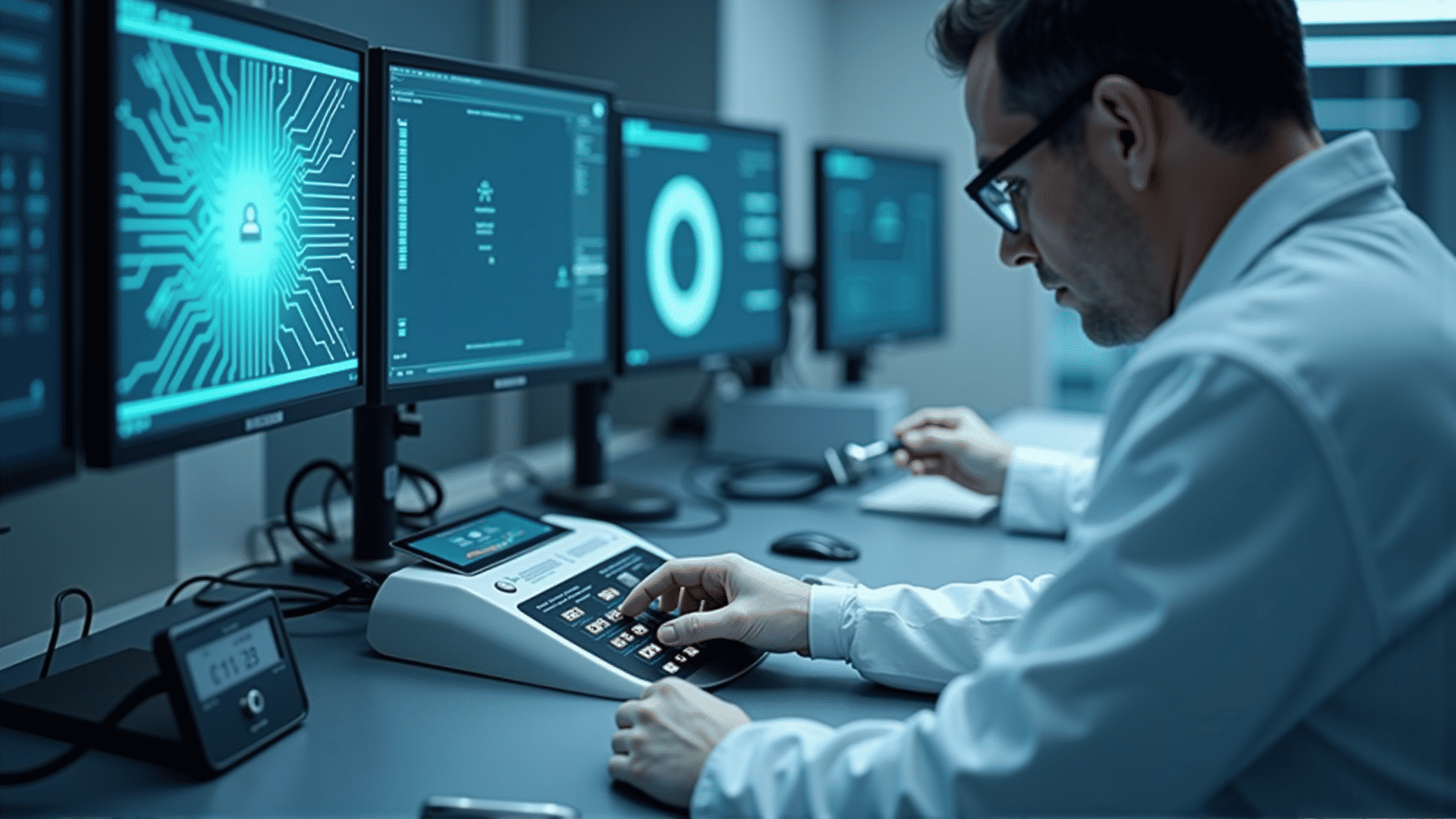
The world of healthcare is rapidly evolving, with technological advancements at its core. Among these innovations, biomedical devices stand out as transformative tools reshaping the landscape of diagnosis and treatment. These devices, which combine cutting-edge technology with medical science, are pivotal in enhancing healthcare systems' capabilities, ultimately leading to improved patient outcomes and a higher quality of life.
The innovation in next-generation biomedical devices is driven by the need for more precise, efficient, and cost-effective healthcare solutions. These devices range from wearable technologies that monitor chronic conditions to implantable systems that deliver tailored therapies directly to the site of need. By harnessing the power of artificial intelligence, machine learning, and advanced materials, biomedical devices now offer functionalities that were once thought impossible.
One significant area of advancement is in diagnostic devices. Non-invasive technologies, for instance, are becoming more prevalent, allowing for earlier detection of diseases without the need for uncomfortable or intrusive procedures. Devices capable of continuous patient monitoring, like advanced heart rate monitors or glucose sensors, provide real-time data that can be crucial for early intervention. Such continuous monitoring not only helps in managing chronic illnesses but also empowers patients by giving them constant insights into their health status.
In treatment, the development of smart prosthetics and robotic surgical tools is revolutionizing what was once the realm of science fiction. Smart prosthetics that integrate with the neural system can restore almost natural functionality to individuals who have lost limbs. These devices use sensors and AI to mimic natural movement, fundamentally improving the user’s quality of life. Robotic-assisted surgeries, meanwhile, offer unparalleled precision, minimal invasiveness, and reduced recovery times. These devices have the potential to transform surgical practices, making complex procedures safer and more effective.
Another promising innovation is in the field of personalized medicine. Biomedical devices now facilitate the tailoring of treatments to the individual’s genetic makeup. Wearable devices collect vast amounts of data that can be analyzed to predict patient responses to particular medications or therapies, allowing for more personalized and effective healthcare plans. This approach not only enhances treatment efficacy but also minimizes adverse reactions, marking a significant shift towards a more patient-centered healthcare model.
The role of biomedical devices in remote patient management cannot be overstated, especially in the context of global health crises. Telemedicine, bolstered by these devices, ensures that patients receive timely care regardless of geographical barriers. Remote monitoring devices and virtual consultations keep healthcare accessible, reducing the burden on traditional healthcare facilities and affording convenience for patients.
However, the journey to these advancements is not without challenges. Regulatory hurdles, data security concerns, and the high costs of research and development pose significant barriers. Ensuring these devices are safe, reliable, and ethically deployed while maintaining patient privacy is paramount. Collaborative efforts between engineers, medical professionals, regulatory bodies, and policymakers are essential to overcoming these challenges and unlocking the full potential of biomedical devices.
In conclusion, biomedical devices are rapidly becoming integral to modern healthcare systems, offering unprecedented opportunities for improving diagnosis, treatment, and patient management. As technology continues to advance, the potential for these devices to revolutionize healthcare only grows. The challenge lies in ensuring these technological marvels are accessible, affordable, and conducive to a better quality of life for all patients across the globe. Through innovation and collaboration, the next generation of biomedical devices will undoubtedly usher in a new era of healthcare excellence.